

 |


UHair D
YouWeMed
3100g
Product Description
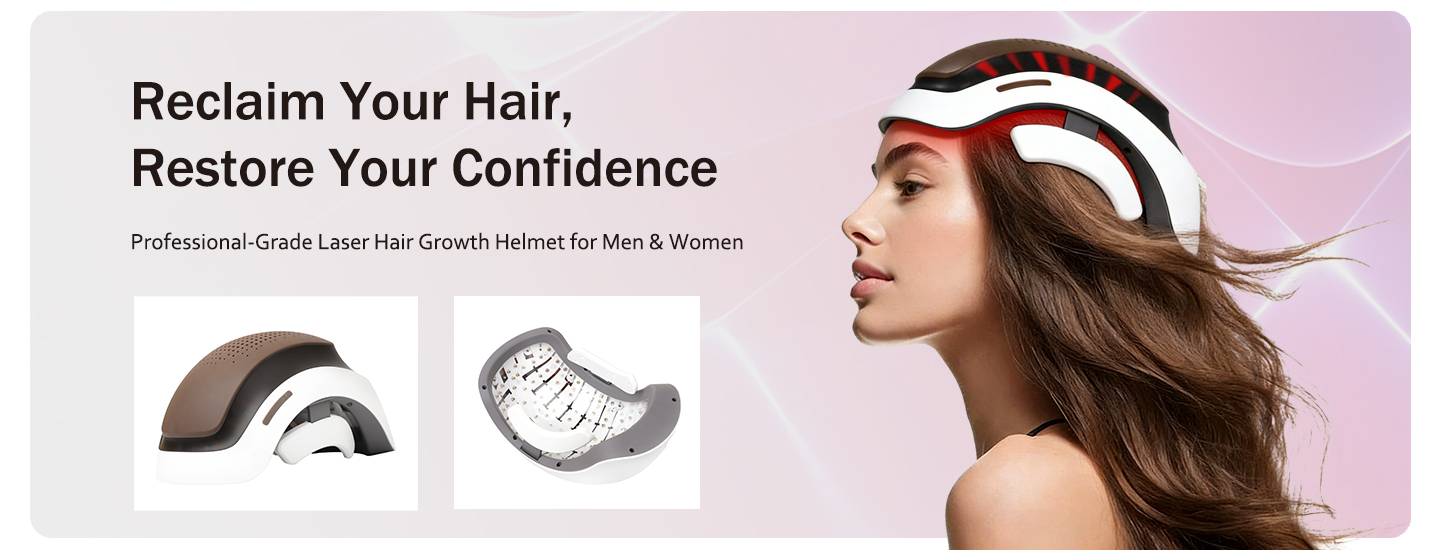
YOUWEMED Hair Growth Helmet
Professional-Grade Laser Hair Growth Helmet for Men & Women
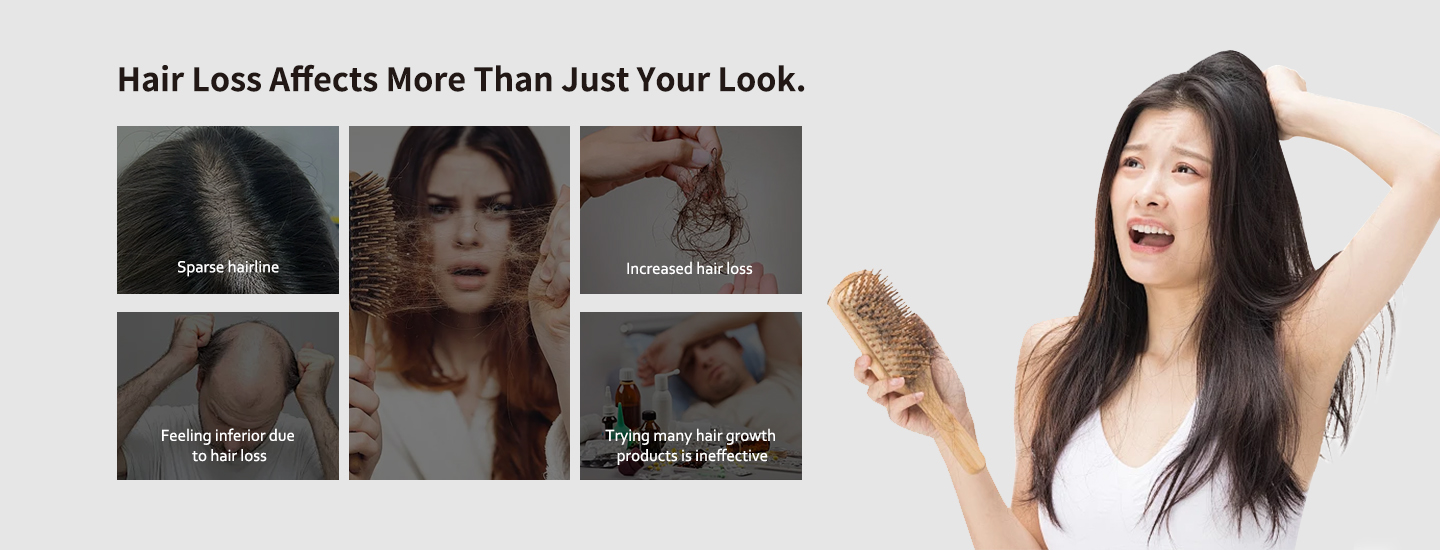
Hair Loss Affects More Than Just Your Look
Sparse hairline
Increased hair loss
Feeling inferior due to hair loss
Trying many hair growth products is ineffective
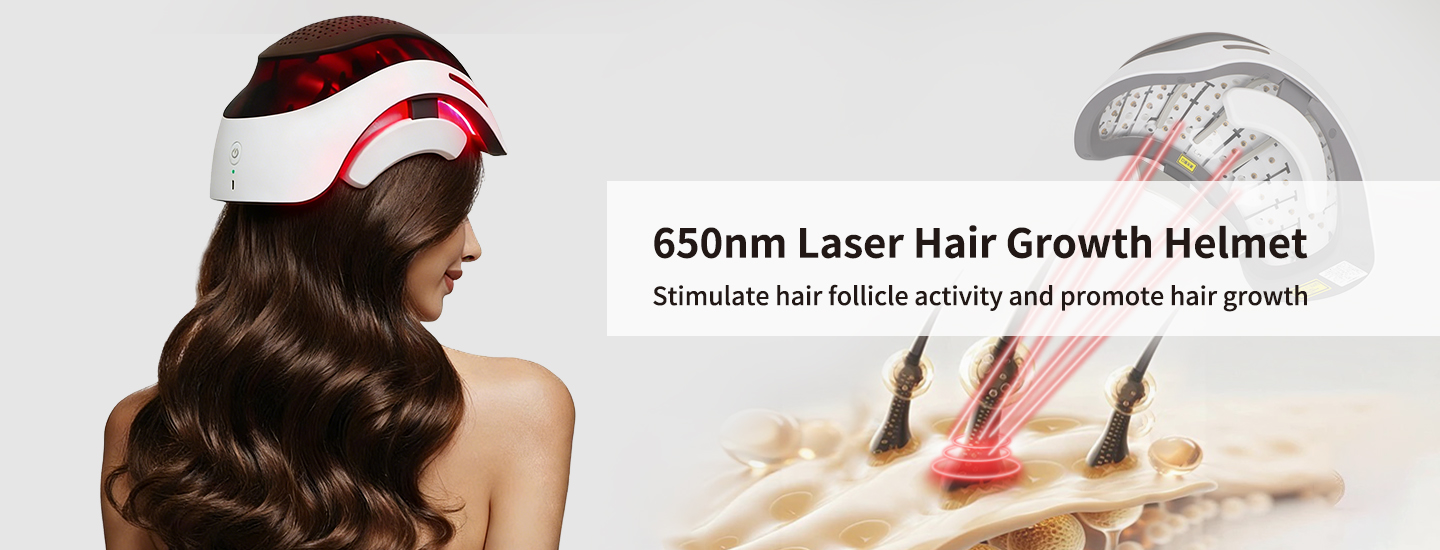
650nm Laser Hair Growth Helmet
Advantages of YOUWEMED Hair Growth Helmet
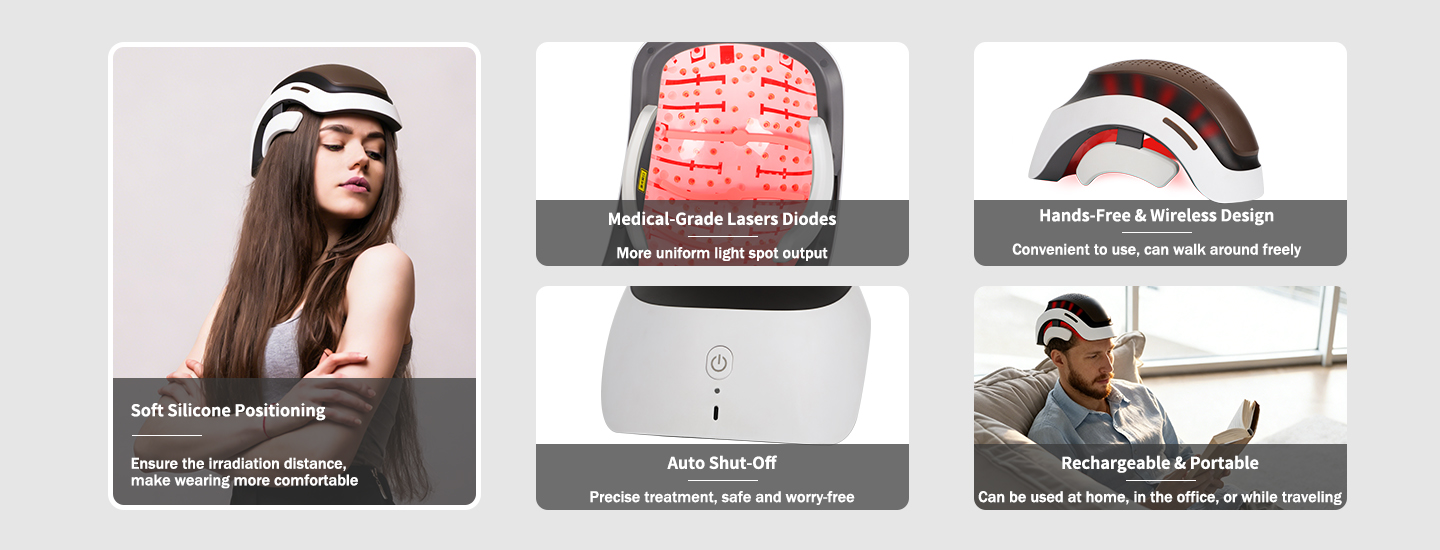
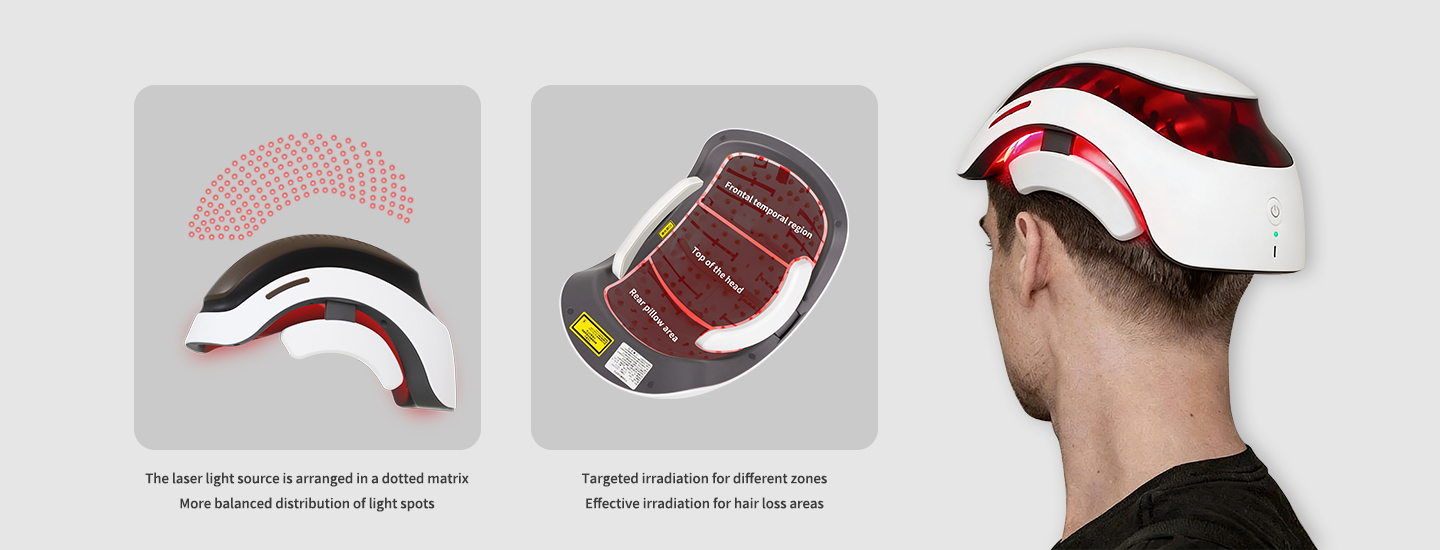
The laser light source is arranged in a dotted matrix-More balanced distribution of light spots
Targeted irradiation for different zones-Effective irradiation for hair loss areas(Frontal temporal region、Top of the head、Rear pillow area)
Professional Treatment, Fits Perfectly Into Your Routine
At work/Watch movie/Camping tourism/Reaing

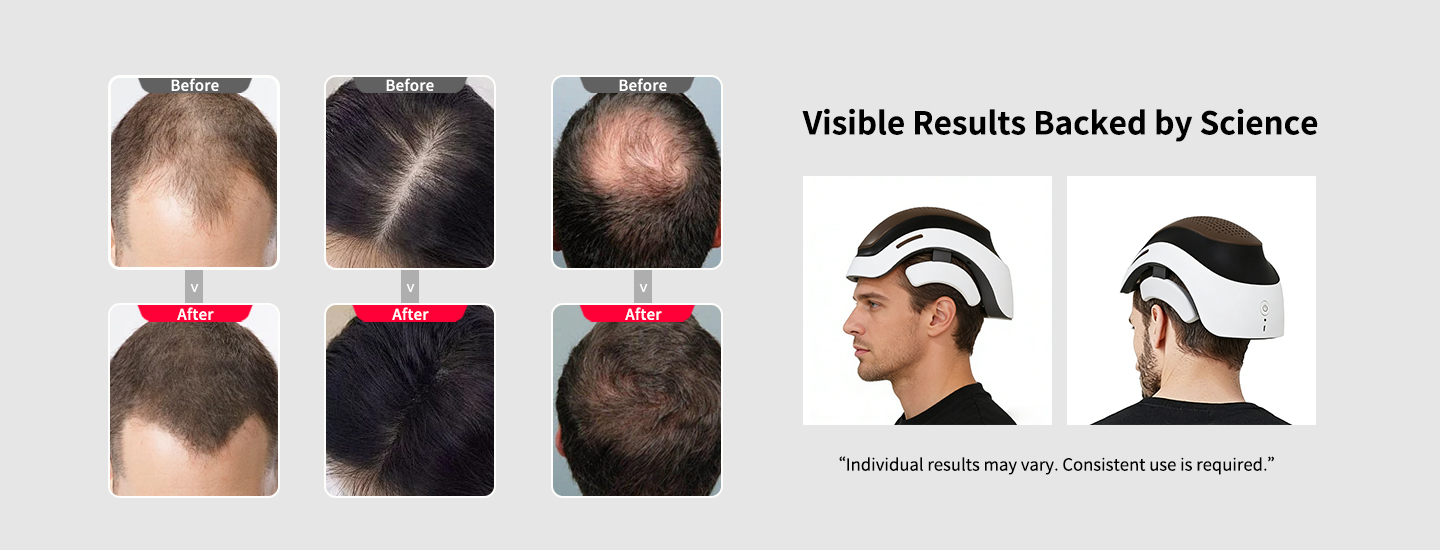
Visible Results Backed by Science
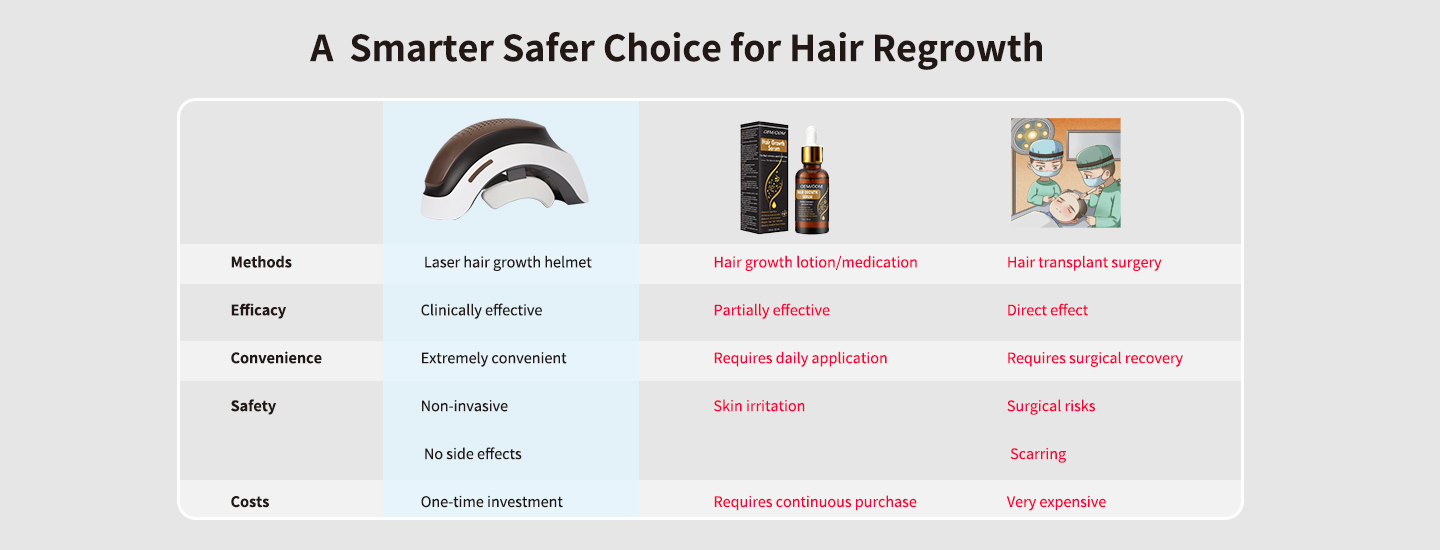
A Smarter Safer Choice for Hair Regrowth
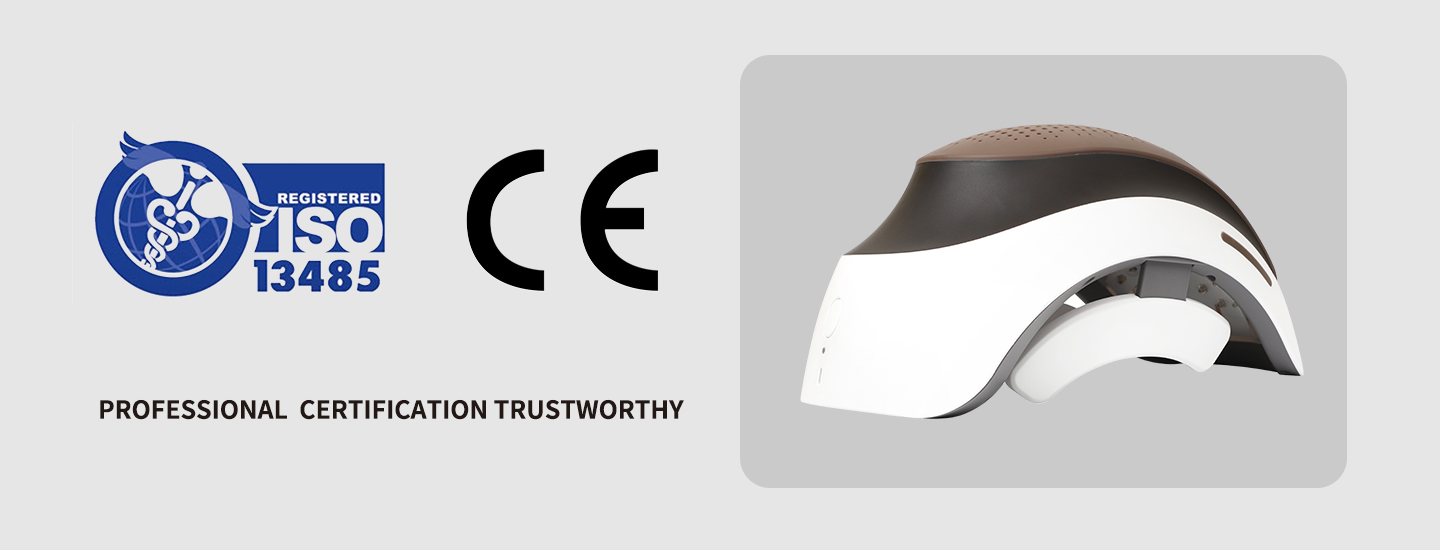
Our Certification ISO13485 CE
YOUWEMED is a leading company specializing in medical devices,which have strong production capacity and flexibility to meet diversified market demands.
YOUWEMED insist on bringing health to our customers and convenience to our partners. We have a comprehensive after-sales service system and can provide OEM&ODM services.

YOUWEMED productors sell well in 100+ countries and regions

FAQs
Q:Do hair growth helmets work?
A:Yes, particularly if you really struggle with hair loss but don't have access to costly clinical laser treatments or a surgical hair-transplant procedure. This product is definitely an investment, but it's completely safe.
Q:Do laser hats really work for hair growth?
A:Recently, a double-blind randomized controlled trial by Lanzafame et al. Using a helmet containing 21.5 mW lasers and 30 LEDs (655.5 nm, 67.3 J/cm2, 25 min treatment) every other day for 16 weeks reported a 35% increase in hair growth among male AGA patients.
Q:Which hair growth cap is best?
Based on the results of clinical testing, YOUWEMED claims that using this red-light hat for 30 minutes daily can increase the hair growth rate by 128% in 12 weeks.
Q:Do hair growth machines work?
A:Yes, laser hair growth devices are effective. Their efficacy is supported by clinical research and regulatory clearance, though results depend on consistent use and managing expectations.
These devices use Low-Level Laser Therapy (LLT). The light energy (typically 650nm-1550nm) penetrates the scalp and is absorbed by weak hair follicle cells, stimulating them to produce more ATP (energy), which promotes growth A 2025 clinical trial showed that after 9 months of therapy, hair density increased significantly (e.g., 99→115 hairs/cm² with 1550nm light), while the untreated control group continued to lose hair .A 16-week, double-blind, sham-controlled study confirmed significant increases in both hair density (13.67 hairs/cm²) and hair thickness (11.80 μm) compared to a fake device .
Q:Is it possible to regrow lost hair?
A:Yes.Laser hair systems are proven to stimulate hair growth and increase density.
Studies confirm they stimulate regrowth in cases of androgenic alopecia (pattern baldness).A 2025 clinical trial found that after 9 months, hair density increased significantly (e.g., from 99 to 115 hairs/cm²), proving new growth is possible .
Q:What wavelength is LLLT for hair growth?
A:The optimal wavelengths for Low-Level Laser Therapy (LLLT) for hair growth fall within the red to near-infrared spectrum, roughly from 630nm to 680nm.
The 655nm wavelength is frequently cited as a "gold standard" because it was used in pivotal clinical trials demonstrating significant increases in hair density .
Q:Do lasers work for male pattern baldness?
A:Yes, Low-Level Laser Therapy (LLLT) is clinically proven to be effective for androgenetic alopecia (AGA).
A 48-week prospective trial demonstrated sustained improvements, with hair density increasing from a baseline of 99.2 to 124.2 hairs/cm² and hair thickness improving by approximately 15% .
Q:How to stimulate hair regrowth?
A:Low-Level Laser Therapy (LLLT) devices stimulate hair regrowth through a precise biological process called photobiomodulation. Rather than using heat to "burn" or cauterize tissue, these devices deliver specific wavelengths of light energy (typically 650nm-1550nm) that are absorbed by cells to trigger a cascade of regenerative effects .
