


 |


Product Description
Do you have these troubles?
Feeling unconfident due to skin disease:Vitiligo, Psoriasis, Eczema, Pityriasis Rosea
Ordinary products have a long treatment time

Product Features
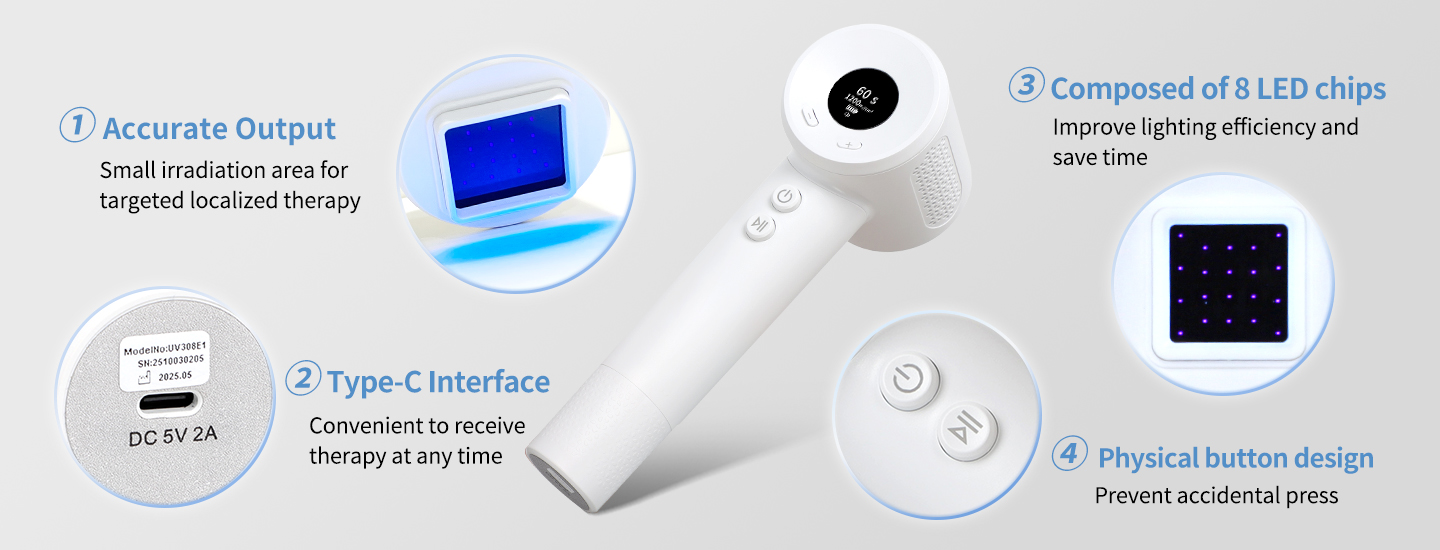
Type-C Interface LCD Screen
High Intensity Physical Button Design
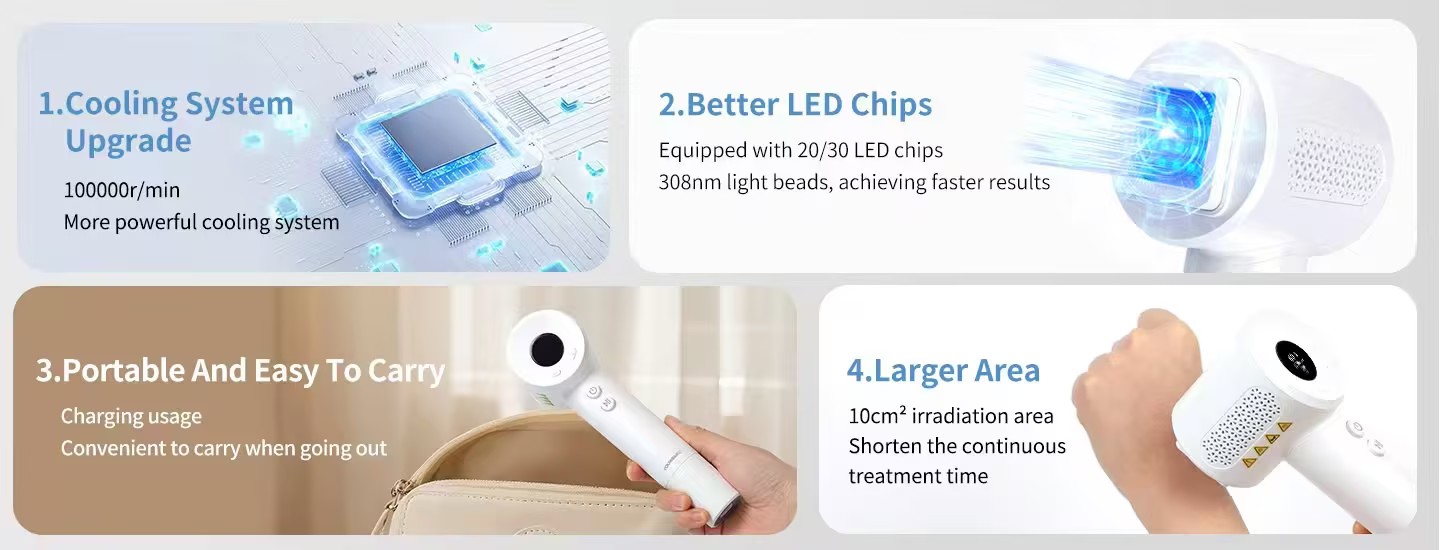
40/50/60 mW/cm ² Intensity
Humanized Design
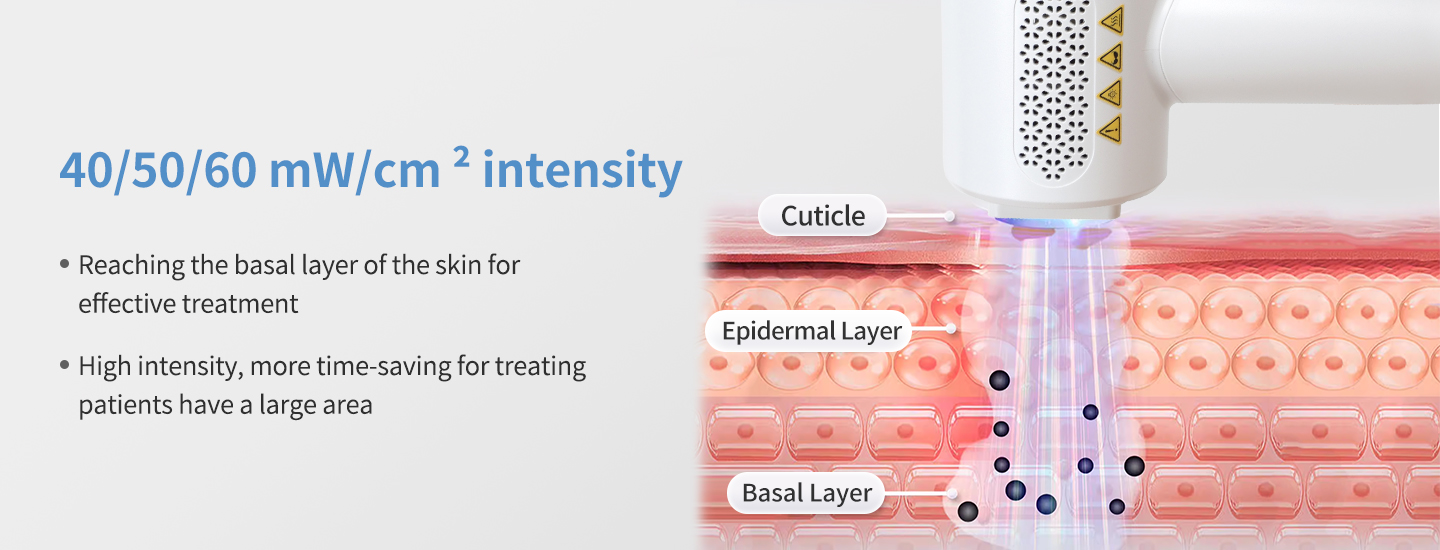
Cooling System Upgrade Better LED Beads
Portable and Easy to Carry Larger Area
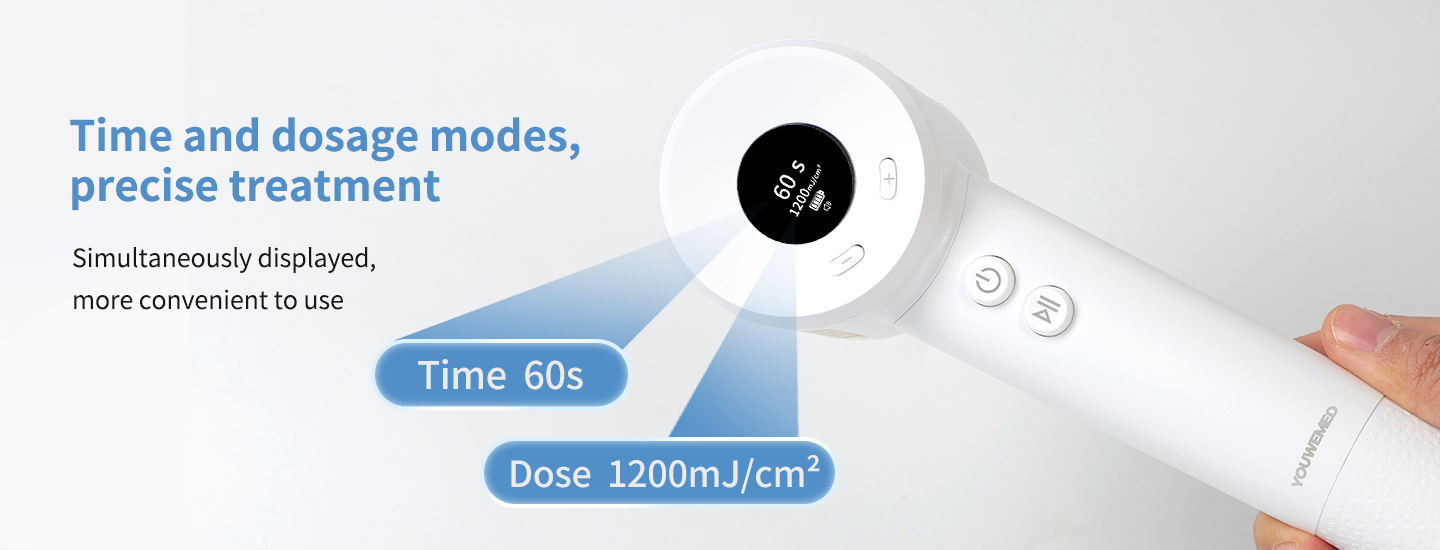
Time and Dosage Modes
Simultaneously displayed, more convenient to use
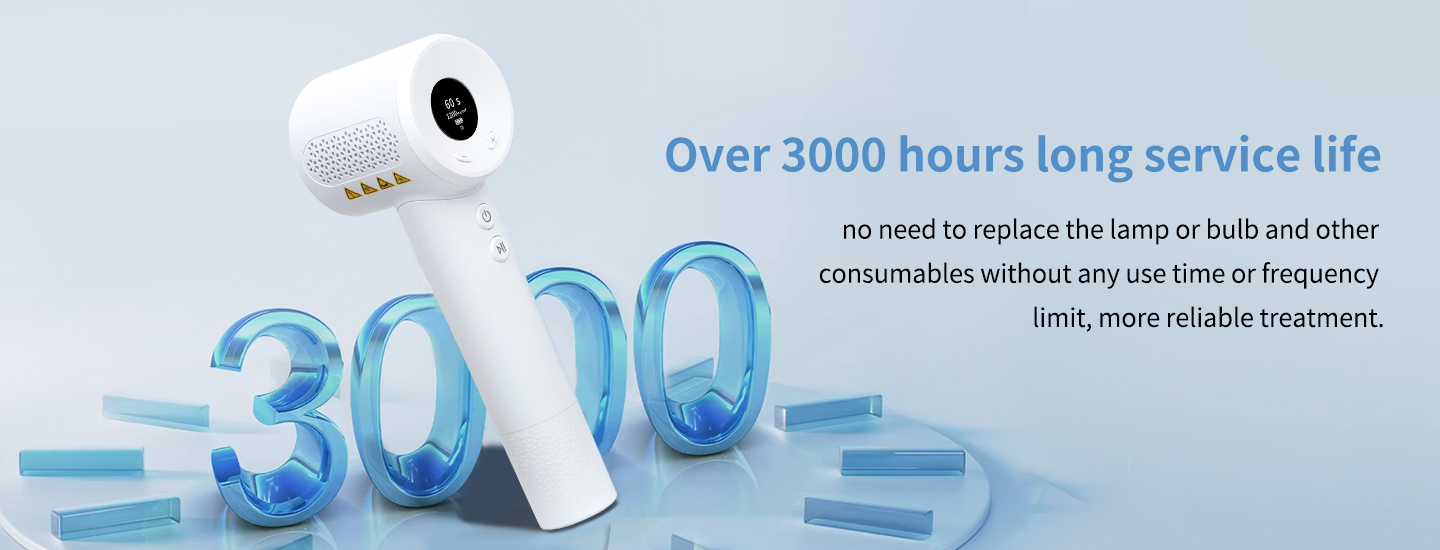
Over 3000 hours long service life
No need to replace the lamp or bulb and other consumables
without any use time or frequency limit, more reliable treatment.
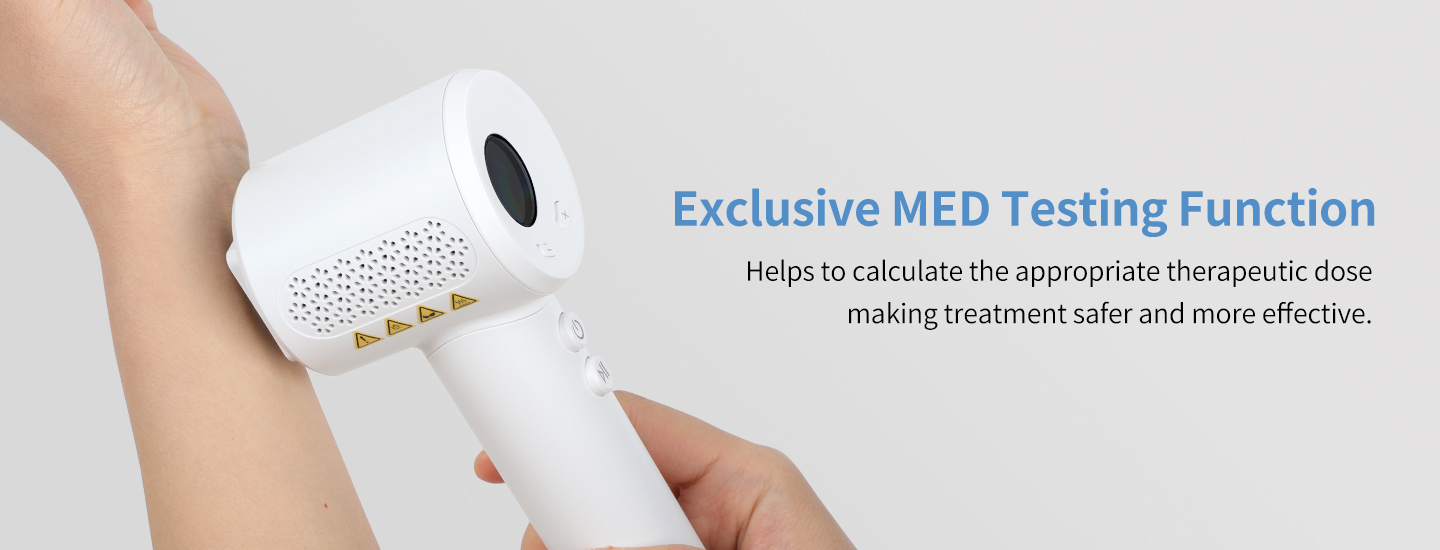
Exclusive MED Testing Function
Helps to calculate the appropriate therapeutic dose, making treatment safer and more effective
Real Customer Feedback

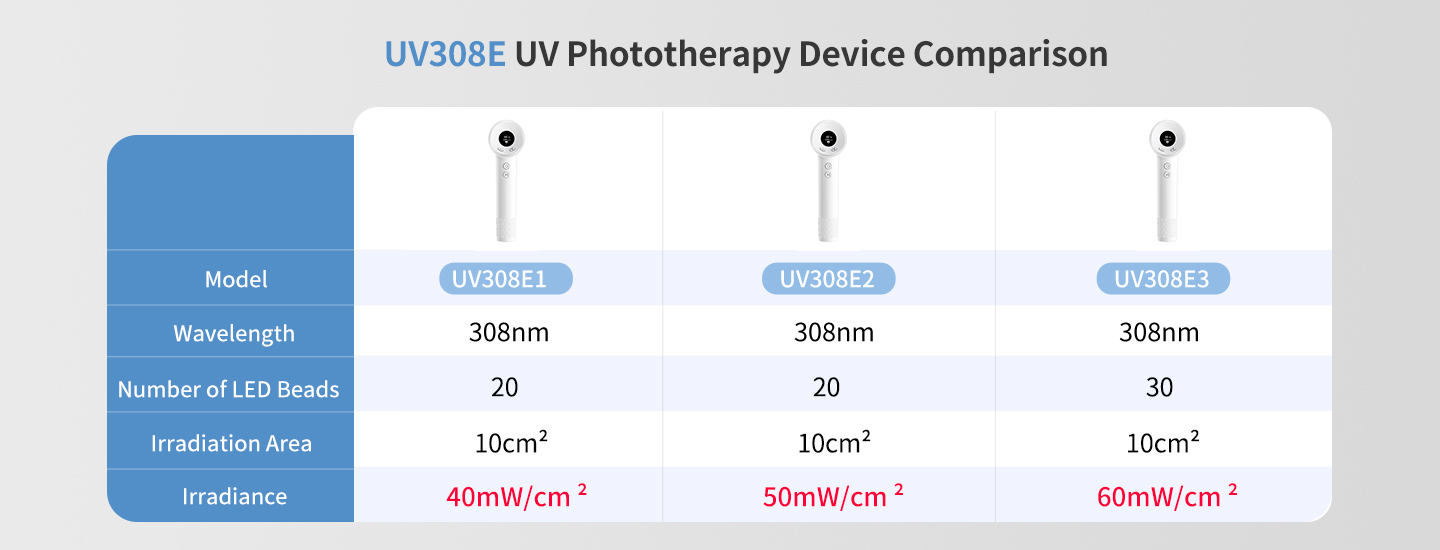
UV308E UV Phototherapy Devices Comparison
Our Certificates CE ISO13485

YOUWEMED is a leading company specializing in medical devices,which have strong production capacity and flexibility to meet diversified market demands.
YOUWEMED insist on bringing health to our customers and convenience to our partners. We have a comprehensive after-sales service system and can provide OEM&ODM services.

YOUWEMED productors sell well in 100+ countries and regions

FAQs
Q:What is an UVB lamp used for?
A:The main use of UVB lamps is as phototherapy lamp, meaning treating skin diseases with light. The diseases UV-B lamps treat are psoriasis, vitiligo, lichen planus, atopic dermatitis (eczema), and other skin diseases. Thousands of dermatology clinics around the world treat skin ailments using UV-B lamps.
Q:Does light affect vitiligo?
A:The core principle of the ultraviolet phototherapy device is to use specific wavelengths of ultraviolet light (mainly narrow-band medium wave ultraviolet NB-UVB) to regulate the immune response and cell growth in the skin. For vitiligo, UVB (especially NB-UVB) can stimulate the activity of residual melanocytes in hair follicles and skin, promote their proliferation and migration, and produce melanin, gradually causing the white spot area to discolor.
Q:Is UVB light harmful to humans?
A:UVB penetrates and damages the outermost layers of your skin. Overexposure causes suntan, sunburn and, in severe cases, blistering. After stopping the irradiation, the metabolism will return to normal skin color within 1-3 months. If you are worried about the skin turning black, you can cover the normal skin with a blackout cloth/opaque cotton cloth, or apply sunscreen (SPF30 or above).
Q:What kind of light is good for vitiligo?
A:You can choose narrow spectrum UVB light to treat vitiligo. Narrow spectrum UVB is usually the preferred first-line treatment option because it achieves a good balance between efficacy and safety. Home use treatment is more convenient and efficient.
Q:Does UVB light make vitamin D?
A:Sure, but this is only a secondary and accompanying physiological effect during its treatment process, rather than the main therapeutic goal. The ultraviolet band emitted by medical phototherapy devices (especially NB-UVB, peak wavelength 311nm) precisely covers the effective band for synthesizing vitamin D. Therefore, during phototherapy, the skin does indeed synthesize vitamin D synchronously.
Q:What is UVB light therapy good for?
A:This therapy is commonly employed for conditions such as psoriasis, vitiligo, and eczema. During the treatment, the affected skin is exposed to UVB light for a specific duration, helping to slow the rapid growth of skin cells, reduce inflammation, and promote healing.
Q:What color light is good for vitiligo?
NBUVB (Narrow-band ultraviolet light B): nbUVB is currently the most successful treatment for patients with vitiligo. It is largely safe when administered correctly, but requires a time commitment.
